Contemporary living trends
Shaping the future of daily life
Rapid technological advancements and shifting social norms are redefining how global communities function. From modern work models to sustainable home architecture, these interconnected changes create a complex tapestry of modern existence requiring continuous adaptability.



Digital innovation era
The integration of smart technology
Artificial intelligence permeates domestic routines, optimizing residential energy consumption and advanced personal security. Algorithms analyze behavioral patterns to suggest efficiency improvements, transforming passive living spaces into responsive smart home environments anticipating specific occupant needs.
Redefining the professional landscape
Traditional nine-to-five models dissolve as digital connectivity enables decentralized remote productivity. Professionals prioritize flexible schedules and outcome-based performance over physical office presence, forcing corporations to restructure operational hierarchies and implement asynchronous communication strategies.



Remote collaboration tools
Cloud-based virtual whiteboards and encrypted messaging platforms bridge time zones, ensuring seamless global project continuity regardless of physical geographic location.



Automation in workflow
Routine administrative tasks are increasingly handled by intelligent machine learning bots, freeing human talent for advanced creative problem-solving.



The gig economy
Short-term corporate contracts and digital freelance opportunities offer professional autonomy, allowing independent workers to diversify multiple income streams effectively.
Preventive healthcare and personal wellness
Wearable biometric sensors track vital signs continuously, alerting users to physiological anomalies before symptoms appear. This data-driven preventative care shift empowers patients to manage chronic medical conditions proactively. Encrypted telemedicine platforms democratize access, connecting patients with certified healthcare specialists instantly, removing geographical barriers to personalized medical treatment plans.
Conscious exploration of the world
Modern global travelers increasingly seek authentic experiences minimizing environmental impact while maximizing regional cultural understanding. This sustainable tourism evolution prioritizes slow travel and deep artistic heritage immersion over sightseeing, fostering genuine connections with indigenous local communities.

Sustainable ecotourism in protected reserves

Digital nomadism and long stays

Micro-adventures and local discovery
Urbanization and smart housing solutions
As metropolitan cities densify, architects design modular living spaces adapting seamlessly to evolving modern family structures. Residential co-living developments offer shared family-friendly amenities and community events, combating urban isolation while optimizing the ecological footprint of high-density housing environments.
Environmental responsibility
Embracing the circular economy model
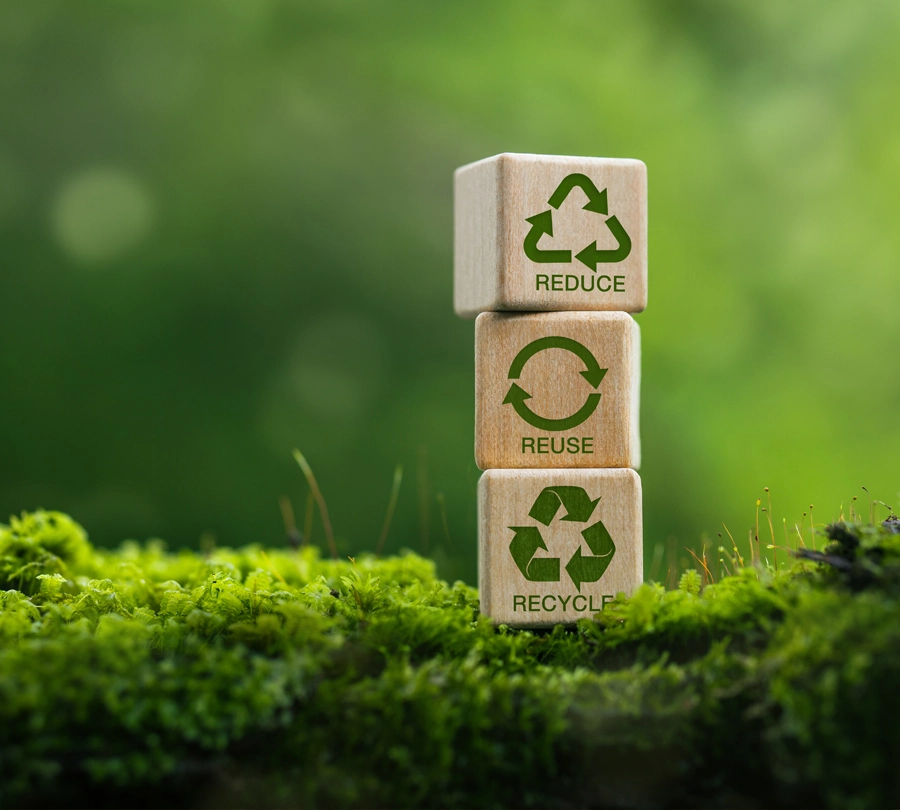
Moving away from linear consumption, manufacturing industries reengineer commercial products for extended longevity and maximum recyclability. This systemic ecological shift reduces industrial waste generation significantly, turning end-of-life materials into valuable secondary resources for sustainable new production cycles.

Renewable energy at home
Photovoltaic solar roof tiles and domestic battery storage systems allow residential households to generate and manage independent power. This renewable energy autonomy reduces reliance on centralized utility grids, significantly lowering overall carbon footprint emissions across suburban residential areas.
Cultural shifts in daily habits
The overwhelming modern lifestyle pace triggers a societal counter-movement valuing psychological mindfulness and intentionality. Individuals consciously curate digital media consumption and meaningful daily cultural rituals to preserve mental clarity amidst a constant stream of online information.

The rise of slow living
Prioritizing holistic quality over speed, this lifestyle philosophy encourages dedicating time to artisanal culinary arts and manual hobbies. It represents a deliberate rejection of instant consumer gratification, fostering deeper appreciation for the mindful process of artistic creation.

Digital detox and mental health
Scheduled device disconnection periods help restore cognitive psychological focus and improve circadian sleep quality. Modern families increasingly establish dedicated tech-free home zones to encourage meaningful face-to-face interaction, actively strengthening interpersonal parent-child communication and relationships.
Ethical consumption
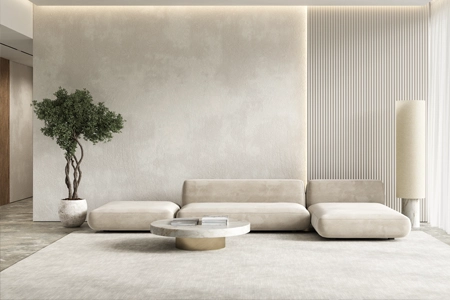
Consumer purchasing decisions are increasingly driven by corporate ethical standards and sustainable goods durability. Adopting a strict minimalist lifestyle approach reduces domestic clutter, focusing household financial resources on enriching cultural experiences rather than excessive material accumulation.